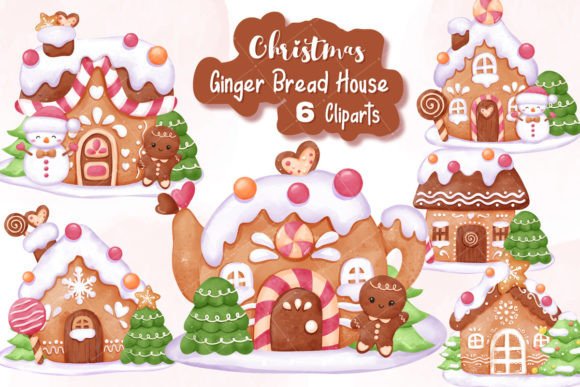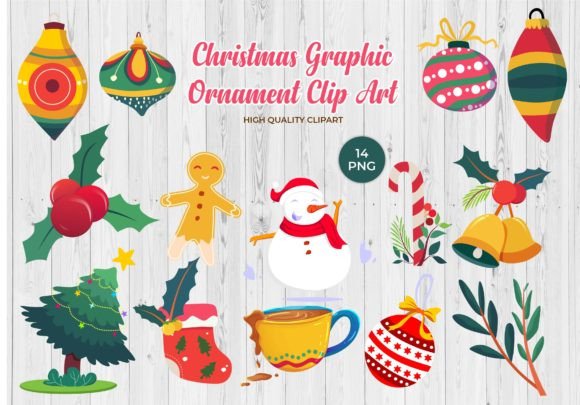
Christmas Style Decorative Clip Art Illustrations
As a graphic designer who has spent the better part of a decade refining brand identities and crafting marketing visuals for small businesses, I approach every new graphic design asset with a critical eye. It is not enough for an image to simply look cute; it must perform under pressure. Recently, I had the opportunity to review the Christmas Style Decorative Clip Art collection for a potential client project involving a boutique handmade goods shop. The goal was to elevate their seasonal campaign without losing the sophisticated edge they have built over the last three years. Here is my professional assessment of how these Illustrations hold up in real-world commercial design scenarios.
First Impressions: Mood and Visual Language
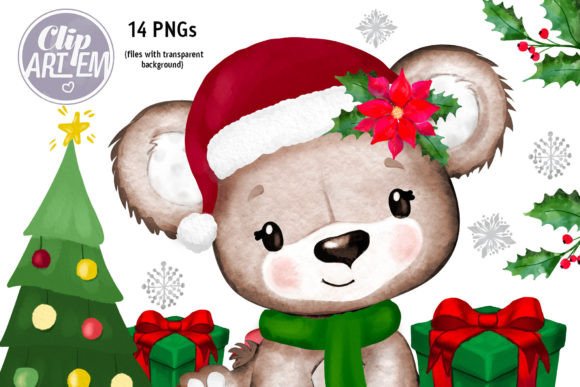
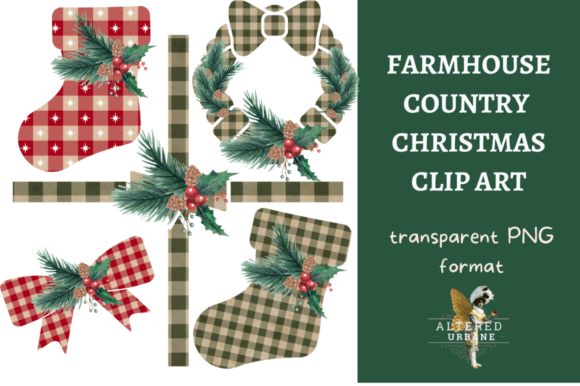
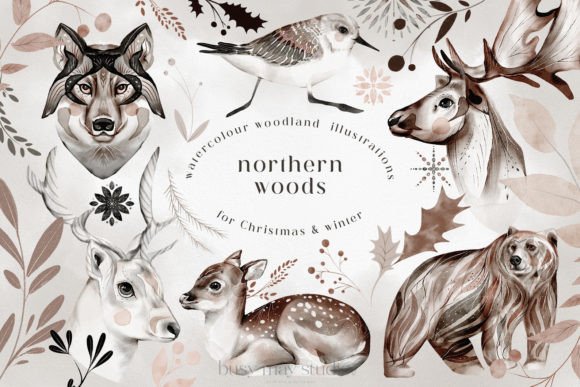
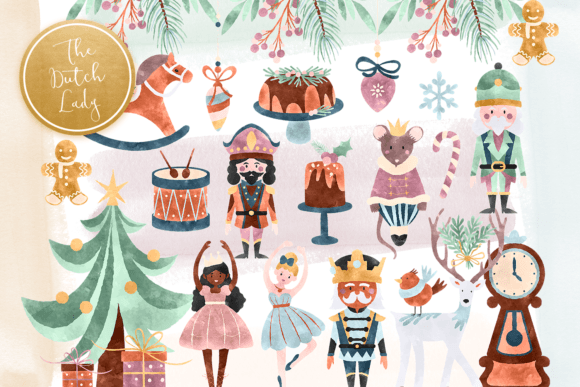
The immediate impact of the Christmas Style Decorative Clip Art is one of warmth and nostalgic charm. Unlike the hyper-minimalist vector trends that have dominated recent holiday seasons, this collection leans into a more traditional, hand-drawn aesthetic. The lines feel organic, suggesting a human touch that resonates deeply with audiences looking for authenticity. For a handmade business, this visual language is crucial. It bridges the gap between professional polish and artisanal craft.
The color palette, while dependent on the specific files chosen, generally supports rich, deep tones mixed with soft accents. This creates a mood that is inviting rather than aggressive. When I placed these elements alongside serif fonts and handwritten script styles, the harmony was instant. The clip art does not scream for attention; instead, it supports the narrative, making it an ideal candidate for brand identity projects that rely on emotional connection rather than loud corporate messaging.
Performance in Real Client Projects
The true test of any digital product is its versatility across various mediums. I tested the Christmas Style Decorative Clip Art across several common deliverables to see where it shines and where it requires careful handling.
Packaging Design and Product Labels
For packaging, these assets are exceptional. I applied them to mockups for candle labels and cookie boxes. The intricate details of the clipart added a layer of perceived value to the physical product. When used as a central focal point on a minimalist label, the illustration became the hero. However, designers must ensure that the resolution is sufficient for print. In my tests, the PNG files held up well at 300 DPI, ensuring crisp edges on printed materials. This makes them a strong choice for print-on-demand sellers who need high-quality assets for mugs, tote bags, and greeting cards.
Social Media Graphics and Digital Ads
In the digital realm, specifically for Instagram posts and Pinterest pins, the Christmas Style Decorative Clip Art performs admirably. The visual weight of the illustrations helps stop the scroll. I found that using these elements as decorative corners or background accents in Canva templates allowed for quick creation of cohesive social media graphics. The transparency in the PNG files made layering effortless, allowing me to place text over lighter areas of the illustration without sacrificing readability. This is vital for maintaining visual hierarchy in crowded social feeds.
Cricut Projects and Sticker Design
For crafters and Etsy product creators, the potential here is significant. If the bundle includes SVG files, these illustrations are ready for cutting machines. I simulated a Cricut project by converting the raster images to vectors to test the path complexity. The designs are detailed but not overly complex, meaning they should cut cleanly on vinyl or cardstock. This opens up opportunities for sticker design, holiday ornaments, and custom gift tags. For digital sellers, offering these as part of a design bundle could significantly increase the perceived value of their shop.
Strategic Placement and Visual Hierarchy
Understanding where to place these assets is key to successful creative design. The Christmas Style Decorative Clip Art works best in large layout areas where the details can be appreciated. They serve excellently as hero graphics on landing pages or as the primary visual on invitation cards. In these contexts, the illustration drives the emotional appeal and sets the tone for the entire piece.
However, caution is required when using these in smaller sizes. Due to the decorative nature of the lines, shrinking them too much can cause the details to merge, resulting in a muddy appearance. I advise against using these as tiny icons or favicons. Additionally, they should be used carefully in crowded layouts. If you are combining multiple illustrations, ensure there is ample white space between them to let each element breathe. Overloading a design with too many decorative elements can disrupt the visual trust and make the composition feel chaotic rather than festive.
Typography Pairings and Brand Consistency
A common mistake in seasonal design is clashing typography. The Christmas Style Decorative Clip Art pairs beautifully with elegant serif fonts, which reinforce the traditional vibe. It also works well with clean sans serif fonts if you want to modernize the look slightly. However, avoid pairing it with overly distressed or grunge fonts, as this can create a conflicting visual message. For a cohesive small business branding effort, stick to two font families maximum. Use a script font for headlines to add personality, and a simple sans serif for body text to ensure readability. The illustration should complement the type, not compete with it.
Practical Designer Notes for Commercial Use
Before integrating these assets into a client’s final deliverables, I always run through a checklist to ensure professional standards are met. Here are my recommendations for other designers and content creators:
- Test in Black and White: Convert the illustration to grayscale to check if the contrast holds up. This is essential for single-color printing methods often used in sublimation design or budget-friendly flyers.
- Check Background Contrast: Preview the asset on both light and dark backgrounds. Ensure that the edges are clean and that there are no unwanted halos from poor masking.
- Verify File Formats: Confirm whether you are receiving PNGs, JPEGs, or SVGs. For web design and scalable graphics, SVG is preferred. For print and photo editing, high-resolution PNGs are standard.
- Inspect Transparency: Open the PNG files in your design software to ensure the background is truly transparent. This saves hours of manual cleanup later.
- Review Licensing: Always read the commercial license terms. Ensure that the usage rights cover your specific client needs, especially if the end product will be sold physically or digitally.
- Mockup Testing: Place the design on real-world mockups early in the process. Seeing the Christmas Style Decorative Clip Art on a actual mug or shirt reveals scale issues that flat screens might hide.
Final Verdict on Professional Utility
The Christmas Style Decorative Clip Art is a robust addition to any designer’s toolkit. It offers a blend of traditional charm and modern usability that fits well within the current creative marketplace. For marketers and bloggers, it provides ready-made visuals that enhance engagement. For print-on-demand sellers and crafters, it offers versatile assets that can be adapted for numerous products. While it requires thoughtful placement to maintain professionalism and clarity, its ability to evoke emotion and enhance brand consistency makes it a valuable resource. When used with intention and technical precision, these Illustrations can transform a standard seasonal campaign into a memorable brand experience.