Review: Buffalo Plaid Christmas Tree Sublimation for Embroidery
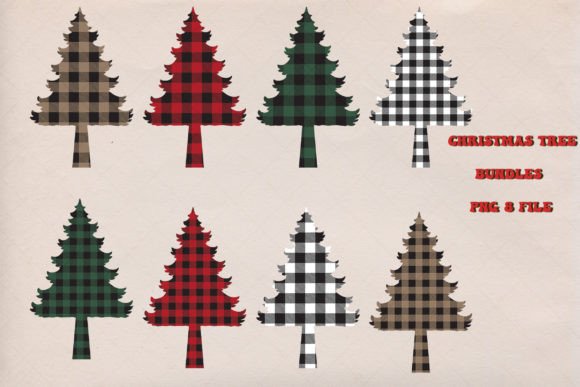
As a designer who spends more time staring at stitch maps than most people spend watching television, I approach new Illustrations with a critical eye. It is not enough for a graphic to look cute on a screen; it must translate flawlessly into thread. When I first pulled up the Buffalo Plaid Christmas Tree Sublimation file, my immediate reaction was one of cautious optimism. The rustic charm of buffalo plaid combined with the classic silhouette of a Christmas tree is a timeless holiday aesthetic, but translating that specific checkered pattern into an embroidery project requires careful consideration of density and scale.
The Visual Personality and First Impressions
The mood this design creates is undeniably cozy. It speaks to the "cabin in the woods" vibe that has dominated home decor and custom apparel trends for several years. Visually, the layout is balanced, offering a strong central focal point without unnecessary clutter. However, the devil is always in the details when moving from a sublimation-ready graphic to a machine embroidery design. The plaid pattern relies on crisp lines and consistent spacing. In a printed format, this is effortless. In embroidery, those red and black blocks become hundreds of tiny fill stitch areas or complex satin columns.
My first thought upon analyzing the shape was how well it would suit a tote bag design or a heavy cotton sweatshirt. The boldness of the plaid demands a fabric with enough substance to support the weight of the thread without puckering. If you are looking for something delicate for a sheer organza ribbon, this might be too heavy-handed. But for a statement piece on a winter blanket or a kitchen towel, the visual personality is spot-on.
Real-World Application: The Holiday Tote Scenario
To truly test the viability of this asset, I imagined a real-life scenario: preparing a run of custom tote bags for a local boutique's holiday market. These aren't just any bags; they are heavy canvas totes intended for carrying gifts. Using the Buffalo Plaid Christmas Tree Sublimation concept here makes sense because the target demographic loves rustic, handmade aesthetics.
In this context, the design performs well as a centerpiece. Imagine the tree stitched in traditional holiday greens with the plaid pattern rendered in deep crimson and charcoal. On a natural beige canvas, the contrast would be striking. Customers walking through a craft fair are drawn to items that feel tactile and warm. A finished product featuring this design signals quality and attention to detail. It elevates a simple bag into a handmade product that feels exclusive.
However, if I were pitching this to a client for a line of sweatshirt embroidery, I would advise a slight modification. Sweatshirts often have a textured surface due to the fleece backing. The fine lines of the plaid could get lost or cause the fabric to bunch if the stitch density is too high. For apparel, simplifying the plaid to larger blocks or using a satin stitch outline to define the tree shape against a filled plaid background might yield a cleaner result.
Fabric Considerations and Technical Challenges
Where you place this design matters immensely. While it shines on stable woven fabrics like cotton twill, denim, or canvas, you must exercise caution elsewhere. Textured fabrics like terry cloth or heavy fleece can swallow small details. If the plaid squares in the embroidery file are smaller than a quarter-inch, they may merge into a muddy blob on rough textures.
Furthermore, consider stretchy fabric. Knits used for t-shirts and baby clothes move. A dense plaid pattern has a lot of thread coverage, which can restrict the natural stretch of the garment, leading to discomfort or distortion after washing. For baby embroidery, I would recommend scaling the design down significantly and perhaps reducing the internal fill density to keep it soft against sensitive skin.
Curved surfaces present another hurdle. If you plan to use this on a cap, the front panel's curve can distort the straight lines of the plaid. Unless the digitizer has specifically compensated for push-and-pull factors on curved surfaces, those perfect squares might look like trapezoids once stitched. Always test on a scrap piece of the actual garment before committing to a production run.
Enhancing Brand Value and Customer Trust
For an Etsy seller or small shop owner, consistency is key to building brand trust. The Buffalo Plaid Christmas Tree Sublimation offers a recognizable theme that can tie together a whole collection. Whether it is on a pillow cover, an apron, or a decorative patch, the cohesive look helps customers instantly identify your brand's style.
The visual appeal of this design directly impacts perceived value. A cleanly executed plaid tree looks professional and high-end. Conversely, poor execution—such as visible jump stitches between plaid blocks or uneven tension—can make a product look cheap. Because this design relies on geometric precision, there is little room for error. When done right, however, it boosts buyer engagement. People love sharing photos of beautifully decorated homes and stylish holiday outfits on social media, and this design is highly "instagrammable."
Practical Notes for the Working Designer
Before you load this into your machine for a commercial job, here are my practical recommendations based on years of trial and error:
- Test on Scrap Fabric: Never skip this step. Stitch the design on the exact same material and number of layers you intend to use for the final product.
- Check Thread Contrast: The success of the plaid effect depends entirely on the contrast between your thread colors. Ensure your reds and blacks (or alternative colorways) are distinct enough to separate the pattern clearly.
- Review Stitch Density: If the design feels too stiff after stitching, consider reducing the fill density in your editing software. This is crucial for wearable items.
- Confirm Hoop Size: Verify that the design fits within your available hoop size without needing excessive re-hooping, which can lead to alignment issues.
- Inspect Small Details: Zoom in on the digital preview. Are the corners of the plaid squares sharp? Do tiny details look like they will collapse into a knot of thread?
- Stabilizer Selection: Given the likely density of a plaid pattern, use a high-quality cut-away stabilizer for knits and a tear-away for stable wovens. Do not skimp here; the stabilizer is the foundation of your stitch quality.
- Licensing Verification: Since this is categorized under Illustrations and potentially sold as a digital asset, always confirm the license terms. Can you sell the physical embroidered item? Can you sell the digital file itself? Clarify this before listing products in your craft business.
Ultimately, the Buffalo Plaid Christmas Tree Sublimation is a versatile and charming asset for the holiday season. It bridges the gap between modern rustic trends and traditional holiday motifs. With the right fabric choices, proper stabilization, and a keen eye for detail, it can transform simple blanks into cherished personalized gifts and best-selling small shop products. Just remember that what looks perfect in a printable mockup must survive the needle and thread test to truly succeed as a commercial embroidery project.