Reviewing the Christmas Season Xmas Design for Real Projects
As a designer who has spent years staring at digitized files and troubleshooting bobbin tension, I have learned that not every festive graphic translates well to thread. When I first loaded the Christmas Season Xmas file into my editing software, my immediate reaction was one of cautious optimism. In the world of Illustrations, there is often a disconnect between what looks crisp on a screen and what actually holds up under the needle. This review is not just about aesthetics; it is about practical application for those of us running craft businesses, managing Etsy shops, or simply trying to create a heartfelt personalized gift that doesn’t unravel after the first wash.
First Impressions and Visual Personality
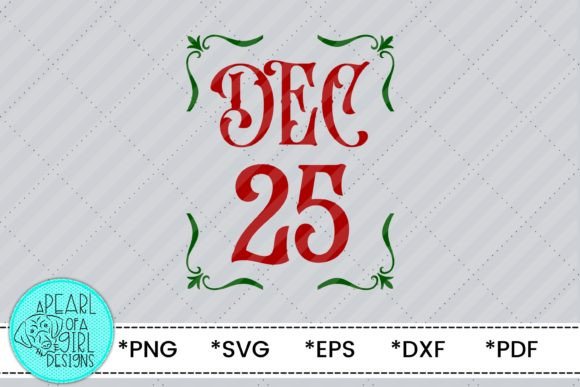
The mood of this design is unmistakably nostalgic yet clean. It avoids the cluttered, overly complex traps that many holiday designs fall into. The layout feels balanced, with a visual personality that suggests warmth and tradition without feeling dated. For an embroidery designer, this is crucial. We are constantly looking for assets that speak to modern buyers while retaining that classic holiday charm. The shape and detail level suggest that this piece was intended for visibility. It is not a subtle background element; it is a statement piece. This makes it ideal for projects where the embroidery is the focal point, such as the center of a sweatshirt or the front panel of a tote bag.
When evaluating any new machine embroidery design, I always look at the flow of the lines. Does the eye travel naturally across the motif? With Christmas Season Xmas, the answer is yes. The transitions between elements appear smooth, which usually indicates thoughtful digitizing. This reduces the risk of thread breaks and jump stitches that can ruin the professional look of a finished product.
Real-World Application: The Holiday Tote Bag Test
To truly understand how this design performs, I mentally walked through a recent client request: a set of custom reusable tote bags for a local boutique’s holiday promotion. This is a common scenario for small shop owners and Etsy sellers. The client wanted something festive but durable enough to carry groceries and gifts. Here, the Christmas Season Xmas design shines because of its structural integrity.
On a canvas or heavy cotton tote, the design needs to stand out against a potentially textured fabric texture. If the stitch density is too low, the fabric weave shows through, making the embroidery look cheap. If it is too high, the bag puckers. Based on the visual weight of this illustration, it appears to strike a good balance. It would likely utilize a combination of fill stitch for broader areas and satin stitch for borders or text elements. This combination provides the necessary coverage to look luxurious while maintaining flexibility in the fabric.
For apparel decorators, this same logic applies to sweatshirt embroidery. A fleece or cotton blend hoodie provides a stable base. The design’s scale seems appropriate for a chest-left placement or a larger back print. It does not appear so intricate that it would get lost in the pile of a fuzzy fabric, nor so dense that it would make the garment stiff and uncomfortable to wear.
Navigating Fabric Challenges and Hoop Constraints
While the design is versatile, there are specific scenarios where caution is required. Any experienced maker knows that curved surfaces, like caps or hats, demand respect. If you plan to use Christmas Season Xmas on a dad hat or baseball cap, you must consider the hoop size and the curvature of the brim. Detailed corners and tiny lettering can distort on curved fabrics if the stabilizer is not chosen correctly. I recommend using a firm cut-away stabilizer for caps to prevent shifting during stitching.
Similarly, when working with thin or stretchy fabrics, such as those used in baby embroidery projects, the stitch density becomes a critical factor. Heavy designs can pull on delicate knits, causing unsightly gathering. If this design includes large solid areas, it might be too heavy for a onesie unless properly backed. Always test on scrap fabric first. This is non-negotiable for professional results. Check how the thread colors interact with the fabric. A dark navy thread on a black shirt might look muddy, whereas a metallic gold could pop beautifully, depending on the lighting and the specific digitizing of the highlights.
Another area for careful consideration is washed durability. Items like kitchen towels and aprons undergo frequent laundering. If the design relies heavily on long running stitch outlines without adequate anchoring, these threads may loosen over time. Inspect the small details closely in your preview software. Look for tie-offs and secure start/end points. A well-digitized embroidery file will account for this, ensuring that your handmade product remains intact through multiple wash cycles.
Enhancing Brand Value and Customer Trust
For creative entrepreneurs and craft business owners, the choice of design directly impacts brand perception. Using a generic, poorly digitized clipart can undermine the perceived value of your work. Conversely, a clean, professional-looking motif like Christmas Season Xmas elevates the item. It signals to the buyer that care was taken in the creation process. This builds customer trust and encourages repeat business.
When creating printable mockup images for your online store, this design offers excellent visual appeal. Its clear lines and recognizable theme make it easy to photograph and market. Whether you are selling custom apparel, embroidered patches, or home decor like pillow covers, the design’s versatility allows for consistent branding across different product lines. It fits seamlessly into a cohesive holiday collection, helping you maximize your design assets without needing to purchase dozens of disparate files.
Practical Notes for the Embroidery Designer
Before you commit to stitching this on a final garment, here are my top recommendations for ensuring success:
- Check the License: Always confirm the licensing terms before selling finished items. Ensure the digital embroidery file permits commercial use if you are an Etsy seller or boutique owner.
- Test Stitch Density: Run a test on a similar fabric to your final product. Adjust tension if necessary to prevent puckering.
- Contrast is Key: Use high-contrast thread colors to highlight the details. Dark threads on dark fabrics often fail to show the nuance of the illustration.
- Stabilizer Selection: Match your stabilizer to your fabric. Use tear-away for stable wovens and cut-away for knits and stretchy materials.
- Inspect Small Details: Zoom in on the digital file. If there are tiny elements, consider simplifying them or increasing their size if your machine struggles with fine details.
In conclusion, Christmas Season Xmas is a strong contender for your holiday production line. It balances aesthetic charm with practical stitchability. By respecting the limitations of your materials and machines, you can transform this Illustrations-based asset into a high-quality holiday embroidery piece that delights customers and strengthens your brand. Whether for a personalized gift or a small shop product, this design offers the reliability and style needed for successful commercial embroidery projects.