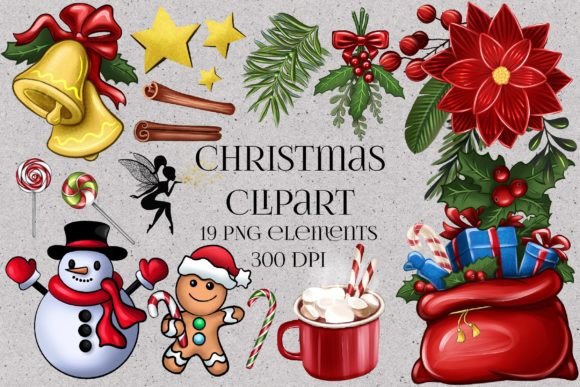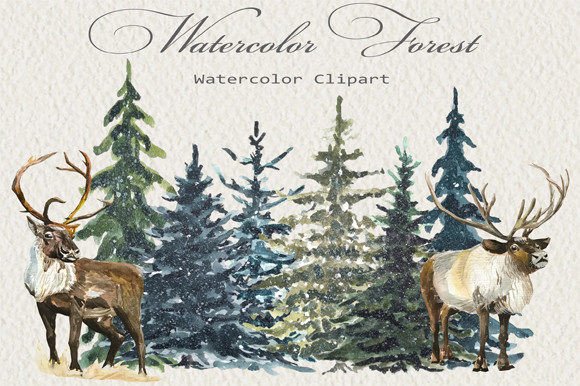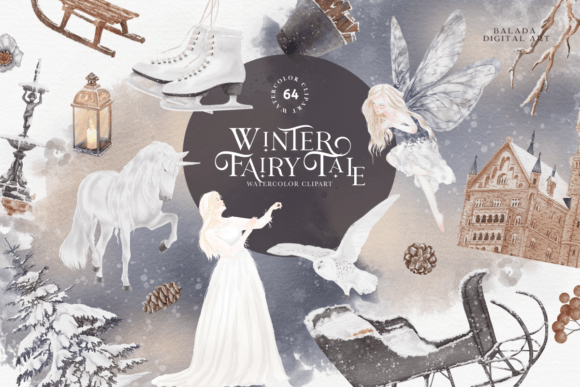
Reviewing Winter Christmas Watercolor Clipart for Embroidery
As a designer who spends half my life digitizing and the other half stitching, I have learned to look past the glossy preview images. When I first opened the Winter Christmas Watercolor Clipart PNG, my immediate reaction was not just about aesthetics, but about translation. How does this soft, fluid aesthetic survive the rigid geometry of a needle and thread? For embroidery designers, small business owners, and Etsy sellers, the gap between a digital illustration and a finished product is where profit margins live or die. This review breaks down how this specific asset performs in real-world applications, from boutique sweatshirts to holiday gift sets.
The First Impression: Mood and Visual Personality
The Winter Christmas Watercolor Clipart PNG carries a distinct mood. It is not the sharp, vector-heavy look of traditional holiday graphics. Instead, it offers a gentle, organic feel characterized by soft edges and blended tones. For an embroidery project, this presents both a challenge and an opportunity. The watercolor style suggests warmth and nostalgia, making it ideal for products that aim to feel handmade and personal rather than mass-produced.
Visually, the layout feels balanced but airy. There is breathing room in the design, which is crucial for embroidery. Overly dense designs can pucker fabric, but this clipart’s open composition allows the texture of the material to shine through. For crafters and creative entrepreneurs, this means the final piece will feel lighter and more comfortable to wear, a significant selling point for custom apparel.
Real-World Application: The Holiday Sweatshirt Test
To truly evaluate the Winter Christmas Watercolor Clipart PNG, I mentally placed it on a heather grey crewneck sweatshirt. This is a bestseller for many small shop products during the fourth quarter. The soft blues and whites of the watercolor theme complement the muted tone of the fabric beautifully. Unlike high-contrast graphics that can look harsh on textured fleece, the blended nature of this illustration merges seamlessly with the fabric’s surface.
For an Etsy seller, this versatility is key. The design works equally well on a canvas tote bag design, where the natural weave of the cotton adds to the rustic charm, or on a structured apron for a kitchen towel set. The visual appeal here drives customer trust. When a buyer sees a design that looks like it belongs on the garment, rather than just sitting on top of it, perceived value increases. This is not just a graphic; it is a component of the textile itself.
Navigating Fabric Textures and Constraints
However, practical design judgment requires us to look at where this design might struggle. Watercolor effects rely on subtle gradients. In embroidery, we achieve this through thread colors and stitch types. If you are using this as a reference for a machine embroidery design, you must be mindful of stitch density. A heavy fill stitch can make the fabric stiff, ruining the soft drape of a baby embroidery item or a delicate blouse.
I recommend using a combination of satin stitch for defined edges and lighter fill stitches for the broader color fields. For those creating an applique design, this clipart is fantastic. You can use solid fabrics to mimic the watercolor blobs, reducing stitch count and production time while maintaining the artistic integrity. This is a crucial consideration for commercial embroidery projects where turnaround time impacts profitability.
Be cautious with dark fabrics. The light, airy nature of the Winter Christmas Watercolor Clipart PNG may get lost on black or navy backgrounds unless you use a white underlay or choose high-contrast thread colors. Always test your design on scrap fabric first. Check how the thread colors interact with the base material. A design that looks vibrant on a white digital mockup might appear washed out on a cream linen pillow cover.
Commercial Viability and Brand Consistency
For handmade shop owners and boutique branding specialists, consistency is everything. This illustration fits neatly into the "modern farmhouse" or "cozy minimal" aesthetic that dominates current home decor trends. Using this asset in your printable mockup or digital product previews can help establish a cohesive brand identity. It signals to the buyer that your products are thoughtful and curated.
When preparing a personalized gift, such as a monogrammed cap or a nursery decor item, the softness of this design appeals to a broad demographic. It is gender-neutral enough for baby clothes yet festive enough for adult holiday embroidery. This flexibility expands your target market. However, always confirm licensing before selling finished items. While many clipart packages allow for commercial use, some restrict the number of physical units you can produce. Verify these terms to protect your craft business.
Technical Considerations for Digitizers
If you are converting this Winter Christmas Watercolor Clipart PNG into a digital embroidery file, pay close attention to the small details. Watercolor edges are often fuzzy. In digitizing, you must decide whether to sharpen these edges for clarity or maintain the blur using varied stitch angles. I suggest the latter for a more authentic look, but it requires precise tension settings on the machine.
Consider the hoop size. If you are shrinking this design for a small embroidered patch or a pocket logo, ensure that the tiny details do not become a mess of thread. Simplify the color palette if necessary. Too many thread changes can increase production costs and weaken the fabric due to excessive needle penetrations. For curved surfaces like caps, keep the design centered and avoid placing dense stitch areas near the seams where distortion is likely.
Final Verdict for Makers and Designers
The Winter Christmas Watercolor Clipart PNG is a strong contender for holiday collections. Its strength lies in its adaptability and emotional resonance. It transforms standard items like tea towels and blankets into heirloom-quality pieces. For the embroidery designer, it offers a chance to showcase skill in handling subtle color transitions. For the seller, it offers a product that stands out in a saturated market.
Remember to inspect small details before full production. Use proper stabilizer to prevent puckering, especially on stretchy fabric or thin materials. Compare light and dark fabric backgrounds to ensure visibility. By treating this illustration not just as an image, but as a blueprint for a tactile experience, you can create finished products that delight customers and build lasting brand loyalty. Whether you are creating a single personalized gift or scaling up for small shop product lines, this design holds up under scrutiny, provided you respect the technical limits of your medium.