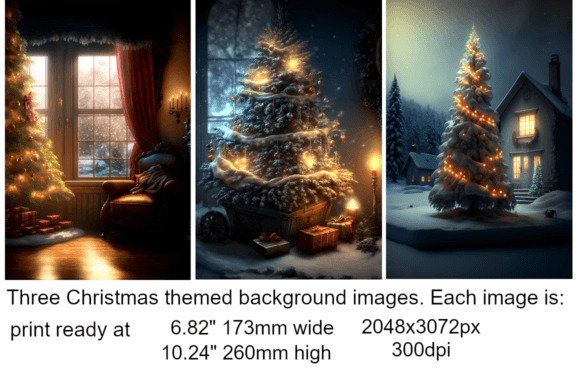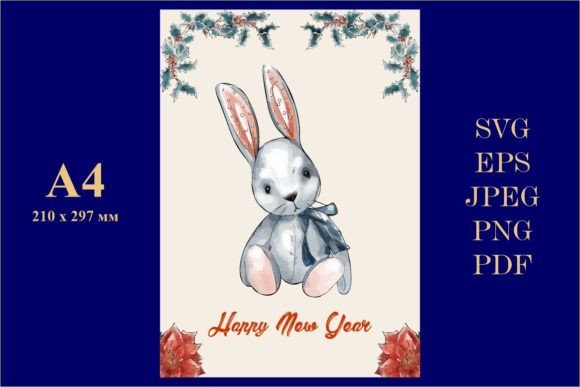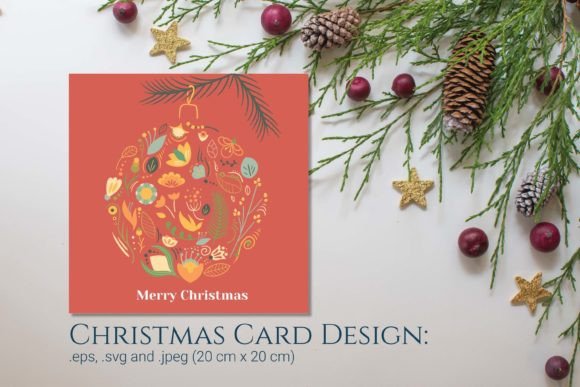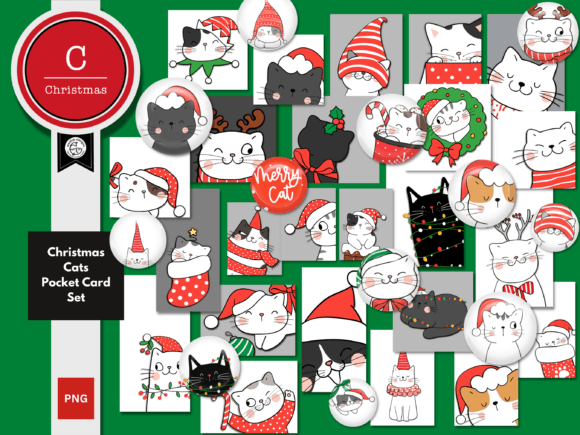
Vintage Christmas Greeting Card Illustrations for Branding
As a brand designer who has spent the last decade helping local businesses find their visual voice, I approach every new graphic design asset with a critical eye. It is not just about whether an image looks pretty; it is about whether it can carry the weight of a brand’s identity in the real world. Recently, I evaluated the Vintage Christmas Greeting Card collection for a potential project involving a heritage-style bakery and artisanal candle line. My goal was to determine if these Illustrations could transcend their original purpose as holiday cards and serve as foundational elements for small business branding, packaging design, and seasonal marketing campaigns.
First Impressions: Mood and Brand Personality
The immediate impact of the Vintage Christmas Greeting Card assets is one of nostalgic warmth. The style leans heavily into traditional holiday aesthetics, featuring intricate line work, muted festive palettes, and classic typography cues. For a local business aiming to project values of tradition, craftsmanship, and homeliness, this mood is invaluable. It does not scream "modern minimalism" or "corporate efficiency." Instead, it whispers "handmade," "organic," and "timeless."
This specific aesthetic fits perfectly with boutique owners, handmade business operators, and food entrepreneurs who rely on emotional connection rather than just transactional utility. If you are running a florist shop, a vintage bookstore, or a small-batch soap company, these visuals suggest a premium yet accessible quality. They evoke the feeling of a gift received from a loved one, which is precisely the emotional response we want to trigger in customers during the holiday season.
Practical Applications in Local Business Design
While the title suggests these are merely greeting cards, their utility in commercial design is far broader. In my review, I mapped out several high-impact applications for these assets within a cohesive brand identity.
- Packaging Design: The central motifs work exceptionally well as hero graphics on box lids or jar labels. For a candle brand, placing a vintage wreath illustration on a kraft paper label creates an instant rustic-chic appeal.
- Product Labels: Smaller elements from the collection can be scaled down for sticker seals on baked goods or cosmetic tubes. They add a layer of detail that mass-produced labels often lack.
- Social Media Graphics: These Illustrations are ideal for creating cohesive Instagram feeds or Pinterest boards. They provide a consistent visual thread that makes promotional posts feel like part of a curated editorial spread rather than disjointed ads.
- Printable Inserts: Including a thank-you card with these designs in every shipment enhances the unboxing experience, turning a simple purchase into a memorable brand interaction.
For marketers and social media managers, having a library of such cohesive assets allows for rapid content creation without sacrificing professional branding standards. You can overlay text for sales announcements, use the borders for story highlights, or create animated GIFs for digital newsletters.
Enhancing Business Presentation and Trust
Why does this matter for your bottom line? Because visual consistency builds trust. When a customer sees the same vintage aesthetic on your product label, your website banner, and your physical flyer, it reinforces brand recognition. The Vintage Christmas Greeting Card assets support this by providing a strong visual hierarchy. The intricate details draw the eye, while the surrounding negative space allows for clear placement of your logo and key information.
Using high-quality design assets like these elevates the perceived value of your products. A simple bar of soap becomes a luxury item when wrapped in packaging adorned with elegant, vintage-inspired art. This "shelf appeal" is crucial for product sellers competing in crowded marketplaces, whether online or in physical boutique stores. It signals that care went into every aspect of the product, from ingredients to presentation.
Strategic Placement and Cautionary Notes
However, even the most beautiful clipart or illustration must be used strategically. Through my testing, I identified areas where these assets shine and where they require careful handling.
Where they work best:
- Hero Graphics: Use the largest, most detailed illustrations as the focal point of your packaging design or main landing page banner.
- Decorative Accents: Smaller elements like holly leaves or ribbons are perfect for framing text on menus or price lists.
- Seasonal Campaigns: These are inherently festive, making them ideal for limited-time holiday offers without needing a complete brand overhaul.
Where to use caution:
- Crowded Layouts: Avoid placing these detailed images behind dense text. The intricate lines can compete with readability, especially on small product labels.
- Low-Contrast Backgrounds: Ensure there is sufficient contrast between the illustration and the background color. Vintage styles often use softer tones, which can disappear on cream or light gray papers.
- Corporate or Ultra-Modern Brands: If your brand identity is strictly minimalist or tech-focused, these vintage elements may create a dissonant message that confuses your audience.
Designer Notes for Implementation
Before integrating the Vintage Christmas Greeting Card into your client work or own business, I recommend a few practical tests. First, always check the file formats. If you are working with SVG design files, ensure they are editable and scalable without losing quality. For PNG design files, verify the transparency levels to ensure they blend seamlessly over colored backgrounds.
Test the assets in black and white. Many local printers offer cost-effective monochrome options, and a good illustration should hold its integrity even without color. Preview the design on actual product mockup templates to gauge scale. What looks large on a screen may appear tiny on a two-inch jar lid.
Typography pairing is also critical. These vintage Illustrations pair beautifully with serif fonts that echo historical printing styles, or handwritten script fonts that reinforce the handmade feel. Avoid overly geometric sans-serif fonts unless you are aiming for a deliberate eclectic contrast. Finally, always confirm the commercial license terms. Ensure you have the rights to use these digital product assets for physical product sales and broad marketing distribution.
In conclusion, the Vintage Christmas Greeting Card collection is more than just seasonal decor. It is a versatile tool for creative entrepreneurs looking to deepen their brand narrative. When used with intention, these assets can transform ordinary packaging into cherished keepsakes, helping local businesses stand out in a saturated market through the power of nostalgic, professional, and emotionally resonant design.