Reviewing Christmas Elements PNG Clipart for Stitchers
As a designer who spends half my life staring at digitized paths and the other half pulling bobbins out of tangled messes, I have learned to look at any graphic with a critical eye. When I first opened the Christmas Elements PNG Clipart set, my immediate reaction was not just about aesthetics, but about translation. How do these flat, digital illustrations translate into thread? Can they hold their own on a textured towel or a stretchy sweatshirt? For embroidery designers, Etsy sellers, and craft business owners, the gap between a pretty picture and a sellable handmade product is wide. This review breaks down how this specific collection of Illustrations performs when moved from the screen to the sewing machine.
First Impressions: Mood and Visual Personality
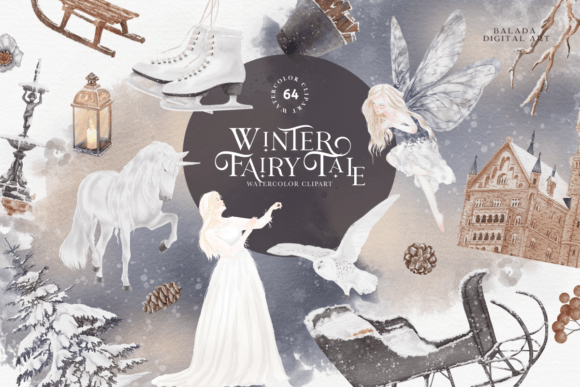
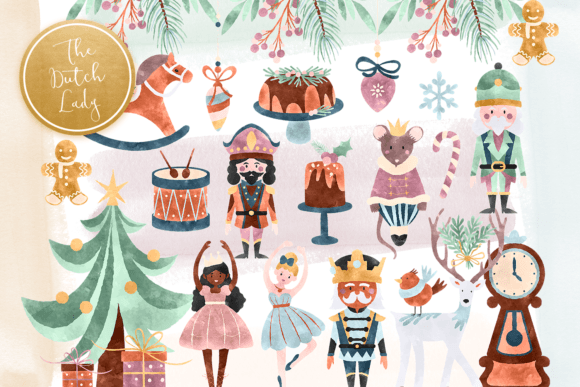
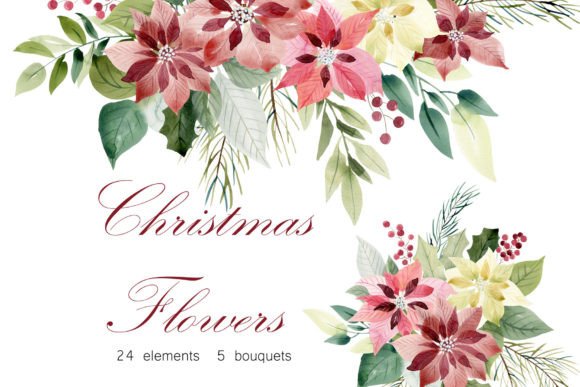
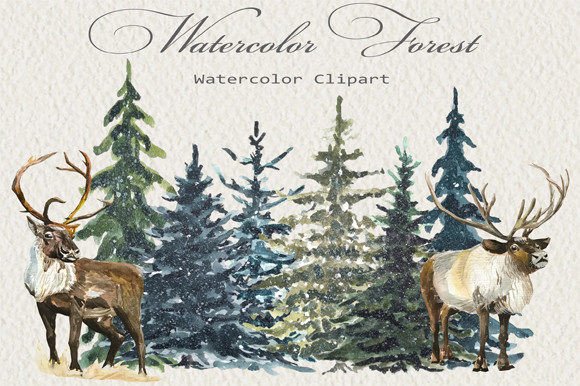
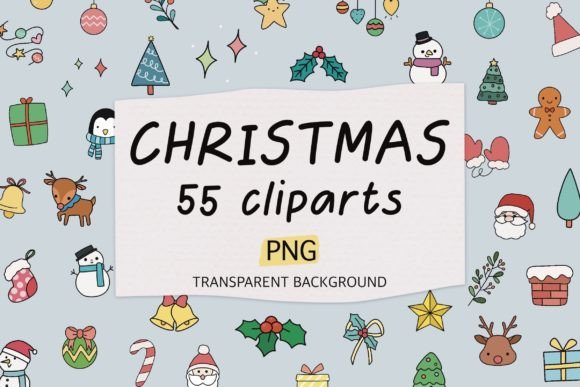
The first thing that strikes you about this clipart set is its versatility. It does not lean too heavily into one specific era of holiday design. Instead, it offers a balanced mix of traditional motifs and modern simplicity. The shapes are clean, which is crucial for us. In embroidery, overly complex details often get lost in the stitch density or turn into a bird’s nest of thread breaks. These elements feel approachable. They evoke a cozy, nostalgic mood without being cluttered. For a small shop owner, this means the designs can appeal to a broad demographic, from grandparents looking for classic holiday decor to younger buyers seeking minimalist winter accents.
When evaluating the layout, I noticed the spacing is generally generous. This is a good sign for digitizers. It means there is room to work with satin stitches for borders and fill stitches for larger areas without causing excessive pull on the fabric. The visual personality is friendly and inviting, making it an excellent candidate for personalized gifts and boutique branding where warmth and approachability are key sales drivers.
Real-World Application: From Screen to Stitch
To truly test the viability of these assets, I imagined a real-life scenario: preparing a custom order for a local boutique. The client wanted a set of matching kitchen towels and a tote bag for holiday gifting. This is where the rubber meets the road. Using the Christmas Elements PNG Clipart as a base, I had to consider how the design would interact with different fabric textures.
For the kitchen towels, which are typically made of waffle weave or terry cloth, the simpler elements from the set worked best. Complex, tiny details would sink into the loops of the towel. However, the bold outlines and solid shapes held up beautifully. I envisioned using a dense satin stitch for the borders to create a raised, tactile effect that customers love to touch. On the tote bag, made of heavier canvas, the larger illustrations could shine. Here, I could utilize fill stitches to cover more area, creating a substantial embroidered patch feel without actually appliqueing separate fabric pieces.
This collection is not limited to home goods. Imagine these designs on a baby onesie. The softer, rounded elements in the set are perfect for baby embroidery because they avoid sharp, scratchy edges if digitized correctly. For custom apparel like sweatshirts, the larger motifs provide enough surface area to make a statement on the chest or back. As an Etsy seller, having a versatile set like this allows you to create multiple listings from one purchase, maximizing your return on investment.
Navigating Technical Challenges
While the designs are visually appealing, there are areas where caution is necessary. Not every element in a clipart set is ready for immediate stitching. Small hoop sizes, such as 4x4 inches, require careful selection. If you choose an element with intricate corners or tiny lettering, it may not stitch out cleanly. I always advise testing the design on scrap fabric first. This is non-negotiable for professional results.
Thread color contrast is another critical factor. Since these are PNGs, they come in full color, but embroidery relies on thread availability. You must check if the colors in the clipart match your standard thread palette. If you are working on dark fabric, you might need to add an underlay or adjust the digitizing to ensure the design pops. Conversely, on light fabric, dense stitch areas can cause puckering if the stabilizer is not chosen correctly. For stretchy fabrics like those used in caps or athletic wear, the stitch density must be managed carefully to prevent distortion.
Curved surfaces, such as the front of a baseball cap, present another challenge. Flat illustrations do not naturally conform to curves. If you plan to use these elements on hats, you must digitize them with shorter stitch lengths and appropriate compensation for the curve. Ignoring this can lead to gaps in the stitching or a warped final product.
Enhancing Brand Value and Customer Trust
Why does the quality of your source image matter? Because it directly affects the perceived value of your finished product. A crisp, well-balanced design translates to a professional-looking embroidered item. Customers can sense quality. When the stitching is clear, the colors are vibrant, and the design sits well on the garment, it builds trust. This is essential for commercial embroidery and small business merchandise.
Using high-quality design assets like this clipart set helps maintain brand consistency. If your shop specializes in cozy, handmade holiday items, these illustrations reinforce that identity. They also enhance giftability. A beautifully embroidered pillow cover or apron feels more special when the design is intentional and well-executed. This leads to better buyer engagement, more positive reviews, and repeat customers.
Practical Notes for the Embroidery Designer
Before you rush to digitize and sell, take a moment to review the technical specifics. Since this is a PNG clipart set, it is not a ready-to-stitch embroidery file. You will need to digitize it yourself or hire a digitizer. This gives you control over stitch types—whether you choose running stitch for delicate outlines, satin stitch for bold edges, or fill stitch for coverage. However, it also adds a step to your workflow.
- Test on Scrap Fabric: Always run a test stitch-out to check for tension issues and registration.
- Check Stabilizer: Match your stabilizer to the fabric weight. Heavy cut-away for knits, tear-away for wovens.
- Review Stitch Density: Ensure the digitized version is not too dense, which can cause stiffness and fabric damage.
- Confirm Hoop Size: Make sure the design fits your available hoops without excessive re-hooping.
- Inspect Small Details: Zoom in on the PNG. If pixels are blurry, the digitized result may lack clarity.
- Licensing Check: Confirm the license terms for the clipart. Ensure you have commercial rights to sell finished items or digital embroidery files derived from these images.
Additionally, test your design in black and white mockups. This helps you see the contrast and structure without the distraction of color. Compare how the design looks on both light and dark fabric backgrounds to ensure versatility. If you are creating a printable mockup for your online store, these high-resolution PNGs are excellent for generating realistic previews before you even stitch a single thread.
Final Verdict for Craft Entrepreneurs
The Christmas Elements PNG Clipart set is a strong contender for your holiday design toolkit. It offers the flexibility needed for various projects, from simple tote bag designs to more complex sweatshirt embroidery. While it requires the extra step of digitizing, this allows for customization that pre-made embroidery files often lack. For the serious craft business owner or hobbyist, this level of control is invaluable. Just remember to respect the limitations of your machine and fabric, and always prioritize testing. With careful preparation, these illustrations can become the cornerstone of your most successful holiday embroidery project.