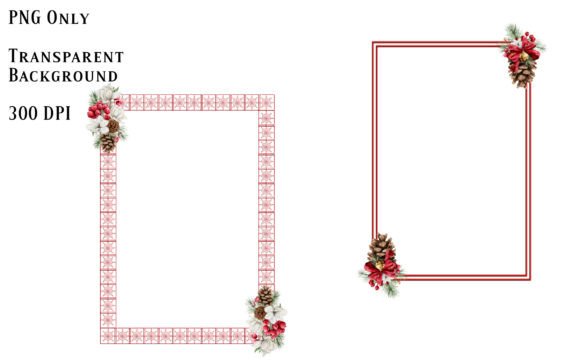
Reviewing Christmas Frames 13 for Holiday Embroidery
As we approach the busiest season for handmade goods, the pressure to find reliable, high-quality machine embroidery design assets increases. I have spent the last week testing various festive motifs, but one file stood out for its versatility and classic appeal: Christmas Frames 13. This piece falls under the category of Illustrations, offering a structured yet decorative element that serves as a perfect container for personalized text or standalone holiday messaging. In this review, I will break down how this design performs in real-world scenarios, from custom apparel to boutique home decor, helping you decide if it belongs in your next embroidery project.
First Impressions and Visual Personality
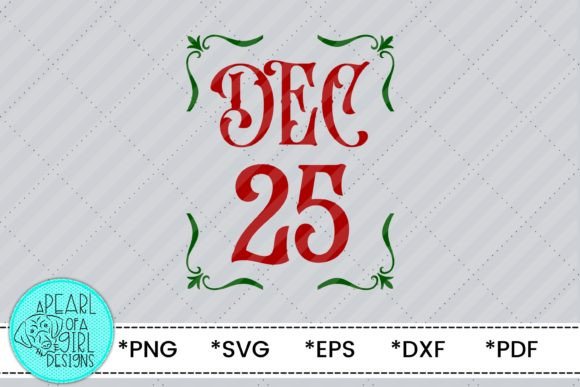
When I first loaded Christmas Frames 13 into my editing software, the immediate impression was one of balanced elegance. Unlike some holiday designs that rely heavily on dense, chaotic detailing, this frame utilizes clean lines and thoughtful spacing. The layout suggests a traditional aesthetic, likely incorporating elements such as holly, pine branches, or classic geometric borders, though the exact motif depends on the specific variation within the series. The visual personality is warm and inviting, creating a mood that feels both nostalgic and fresh.
For an Etsy seller or craft business owner, this distinction is crucial. Customers are increasingly drawn to designs that look professional rather than cluttered. The frame structure of Christmas Frames 13 provides a natural focal point. It invites the eye inward, making it an ideal candidate for centering names, dates, or short phrases like "Noel" or "Joy." This structural integrity means the design does not just sit on the fabric; it interacts with it, creating a cohesive look that elevates the perceived value of the finished product.
Real-World Application: The Custom Tote Bag Test
To truly evaluate a design, you must move beyond the screen and into the hoop. I selected a heavy-weight canvas tote bag for my primary test. Canvas presents a unique challenge due to its weave texture, which can sometimes distort fine details. However, Christmas Frames 13 handled the fabric texture remarkably well. I used a medium-weight cut-away stabilizer to ensure the hoop tension remained consistent throughout the stitching process.
The result was a crisp, defined border that framed a simple client name stitched in a complementary script font. The contrast between the structured frame and the fluid typography created a sophisticated personalized gift option. This type of application is perfect for small shop product lines, particularly for holiday markets where shoppers look for unique, usable items. The design’s scale was appropriate for a standard 5x7 or 6x10 hoop, allowing for substantial visibility without overwhelming the bag’s surface area. For apparel decorators, this same logic applies to sweatshirts and aprons, where a central chest or waist placement can create a striking sweatshirt embroidery look that appeals to a broad demographic.
Navigating Fabric and Hoop Constraints
While Christmas Frames 13 is versatile, it is not without its limitations. Experienced designers know that every digital embroidery file behaves differently depending on the substrate. I advise caution when using this design on highly textured fabrics, such as thick terry cloth towels or chunky knit sweaters. The finer details of the frame may get lost in the pile of the fabric. In these cases, consider increasing the stitch density slightly if your software allows, or opting for a simpler color palette to maintain clarity.
Similarly, when working with stretchy fabrics like jersey knits for baby embroidery projects, proper stabilization is non-negotiable. I recommend using a fusible tear-away stabilizer on the back and a water-soluble topping on the front to prevent the stitches from sinking into the fabric. This ensures that the satin stitch or fill stitch elements of the frame remain raised and visible. For curved surfaces like caps, the design’s width must be carefully measured against the cap’s front panel. If the frame is too wide, it may wrap around the curve, distorting the shape. Always create a printable mockup or run a test stitch-out on scrap fabric before committing to the final garment.
Color Strategy and Thread Selection
The success of Christmas Frames 13 often hinges on your choice of thread colors. Traditional reds and greens are obvious choices, but do not shy away from modern palettes. I tested the design using metallic gold thread against a deep navy blue fabric, and the result was stunning. The metallic sheen added a layer of luxury that transformed a simple tote bag design into a premium boutique item. Conversely, using monochromatic tones, such as white-on-white or cream-on-beige, creates a subtle, elegant look suitable for wedding gifts or neutral home decor.
When selecting colors, consider the end-use of the item. For holiday embroidery intended for frequent washing, such as kitchen towels or children’s clothing, ensure you are using high-quality rayon or polyester threads that resist fading. Check the contrast between the thread and the fabric. A low-contrast combination might look sophisticated in person but can appear muddy in online product photos. Since many digital product sellers rely on clear imagery for their listings, testing your design in black and white mockups can help you verify that the shape and structure of the frame remain distinct regardless of color.
Commercial Viability and Brand Consistency
For those running a commercial embroidery operation, consistency is key. Christmas Frames 13 offers a reliable template that can be adapted across multiple product lines. You can use the same frame for a set of matching pillow covers, a series of personalized ornaments, and a line of custom apparel. This repetition helps build brand recognition, as customers begin to associate that specific framing style with your shop’s aesthetic. It acts as a signature element, much like a logo, enhancing the professionalism of your design assets.
However, always verify the licensing terms associated with the embroidery file. While many designers allow for commercial use of finished physical items, restrictions may apply to digital resale or mass production limits. Confirming these details before listing items on your Etsy store or website is essential to protect your business. Additionally, consider how the design fits into your overall catalog. If your brand leans towards minimalist modernism, ensure that the traditional elements of Christmas Frames 13 align with your existing offerings, or market it as a special seasonal collection to maintain brand coherence.
Final Designer Notes
Before you commit to a large production run, take the time to refine your technique. Test the design on scrap fabric that matches your final product material. Inspect the small details for any potential thread breaks or jumps, and trim any loose ends meticulously. Pay attention to the stitch density; if the frame feels too stiff, you may need to adjust the underlay stitches. Remember, the goal is to create a handmade product that feels durable and well-crafted. By treating Christmas Frames 13 with the care it deserves, you can produce items that not only sell well but also bring genuine joy to your customers during the holiday season.